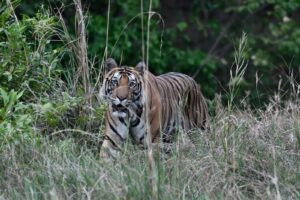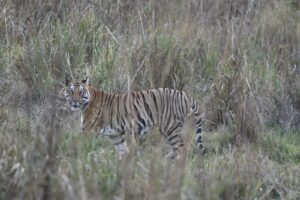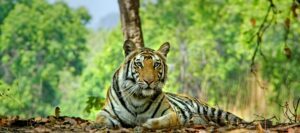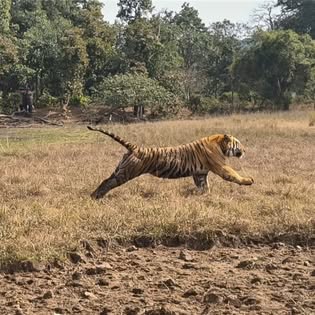
If you’re heading to Bandhavgarh National Park with a camera, you’re already halfway there. The rest comes down to how you shoot, not just what you see.
Wildlife photography Bandhavgarh isn’t about chasing luck. It’s about being prepared for the moment when things finally align. And in a place like this, those moments come faster than you expect, and disappear just as quickly.
The more time you spend understanding your surroundings, the more natural your shooting approach becomes.
Here are 10 practical tips that actually make a difference on the ground.
- Don’t Overcomplicate Your Camera Setup
Before your safari even begins, make sure your settings are simple and ready. You won’t have time to adjust everything when a tiger suddenly walks out.
Stick to:
- Aperture priority or manual mode
- Fast shutter speed (at least 1/1000 for moving subjects)
- Auto ISO with limits
Wildlife photography Bandhavgarh often rewards quick reactions more than perfect settings. Keeping things simple also reduces hesitation when a fast-moving moment unfolds.
- A Telephoto Lens Is Not Optional
You’ll need to reach. Even when animals seem close, they’re rarely as close as you think.
A 300mm lens is the minimum, but 400mm or more gives you flexibility. It allows you to:
- Capture tight portraits
- Isolate subjects
- Shoot without disturbing the animal
This is one of the most important tiger photography tips you can follow. A good telephoto setup also helps you stay consistent across different types of sightings.
- Use Golden Hours Properly
Morning and evening safaris aren’t just about animal activity. The light itself changes everything.
Early light is softer and more directional. Evening light adds warmth and depth. Both help you avoid harsh shadows.
Instead of shooting constantly, wait for:
- Light hitting the subject’s face
- Clean highlights in the eyes
- Balanced exposure without blown backgrounds
This is where wildlife photography Bandhavgarh really starts to stand out. The quality of light during these hours can turn an ordinary frame into something memorable.
- Learn to Read Movement, Not Just Spot Animals
Beginners look for animals. Good photographers look for behavior.
Watch for:
- Alarm calls from deer or langurs
- Fresh pugmarks on tracks
- Direction of movement
These small cues help you prepare before the action happens. And that’s often the difference between missing a shot and being ready for it. Over time, this awareness becomes second nature and improves your timing.
- Respect Safari Etiquette
This part gets ignored, but it matters more than people think.
- Don’t stand up or move abruptly
- Keep your voice low
- Avoid pushing your guide for risky positioning
Better behavior often leads to better sightings. Animals stay relaxed, and you get more natural shots. It also keeps the experience enjoyable for everyone in the vehicle. Wildlife photography Bandhavgarh improves when the environment stays calm and undisturbed.
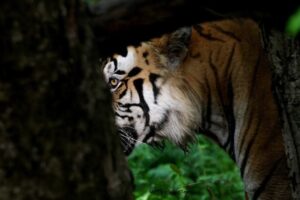
- Focus on the Eyes Every Time
If the eyes are sharp, the image works. If they’re not, the shot usually falls apart.
Always:
- Use single-point autofocus
- Lock focus on the eye
- Recompose if needed
This is one of those tiger photography tips that sounds basic but changes everything once you apply it consistently. Sharp eyes instantly make your subject feel alive in the frame.
- Don’t Just Shoot Tigers
It’s easy to get tunnel vision. But Bandhavgarh offers much more.
You’ll find:
- Birds in great light
- Deer in natural settings
- Monkeys with expressive behavior
Wildlife photography Bandhavgarh becomes more rewarding when you expand your subject list. It also keeps you engaged between big sightings. These smaller moments often add depth to your overall portfolio.
- Think About Your Background
A great subject can still lead to a weak photo if the background is messy.
Before you click, check:
- Is there clutter behind the animal?
- Can you shift slightly for a cleaner frame?
- Is the light consistent across the frame?
Sometimes moving just a little within the jeep changes the entire composition. Paying attention to background early saves you from editing limitations later.
- Be Patient, Then Be Quick
Most of the time, nothing happens. And then suddenly, everything does.
You might wait 30 minutes with no activity, and then a tiger crosses the road in 10 seconds.
Stay alert, camera ready, settings locked. Wildlife photography Bandhavgarh is often about those short windows where everything happens at once. Being mentally prepared helps you react without panic.
- Don’t Overshoot, Be Intentional
It’s tempting to hold down the shutter and take hundreds of frames. But that often leads to average shots.
Instead:
- Wait for the right moment
- Shoot in short bursts
- Review only when necessary
You’ll come back with fewer photos, but much stronger ones. Being intentional also helps you stay more present during the experience.
Conclusion
Wildlife photography Bandhavgarh is not just about being in the right place. It’s about being ready when the moment shows up.
With the right gear, a bit of patience, and a better understanding of how the forest works, you start noticing things others miss. And that’s when your photos begin to feel less like luck and more like intent.
FAQs about Wildlife Photography Bandhavgarh
- What is the best time for wildlife photography in Bandhavgarh?
March to May offers better visibility and more predictable tiger movement. Winter is also good for softer light and diverse subjects.
- What camera settings work best for tiger photography?
Use a fast shutter speed and keep ISO flexible with auto settings. Aperture priority or manual mode works well in changing light.
- Do I need a telephoto lens for Bandhavgarh safaris?
Yes, a lens of at least 300mm is recommended for close and detailed shots. Longer focal lengths give you more flexibility.
- Which safari zone is best for photography?
Tala is great for tiger portraits, while Magadhi offers more movement, and Khitauli suits bird photography. Each zone has its own strengths.
- How can I improve my chances of getting good shots?
Stay patient, observe animal behavior, and keep your camera ready. Good timing often matters more than perfect gear.