Bandhavgarh just got a major nod on the world stage. The New York Times has included Bandhavgarh Tiger Reserve in its closely watched “52 Places to Go in 2026” list, putting this Madhya Pradesh forest alongside some of the most celebrated destinations on the planet. For a reserve that was once a private hunting ground for the Maharajas of Rewa, it’s a full-circle moment, and for travelers, it’s the clearest signal yet that 2026 is the year to finally book that Bandhavgarh safari.
Why Bandhavgarh Caught the World’s Attention
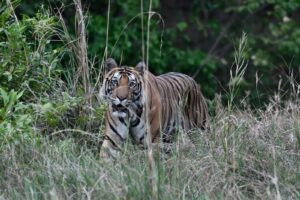
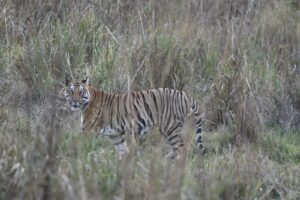
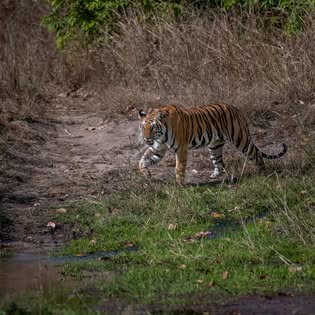
The recognition isn’t just about pretty photographs of tigers in tall grass. The NYT highlighted Bandhavgarh’s high biodiversity, its dense sal forests and open meadows, and a long-running conservation program that has helped it become one of the most reliable places on Earth to spot a wild tiger. Bandhavgarh is home to the highest density of Royal Bengal tigers of any reserve in India, and its success mirrors a larger, encouraging story: India’s wild tiger population has been steadily climbing even as the global tiger count sits at a fragile under 5,600. Few places illustrate what’s working in tiger conservation as clearly as Bandhavgarh does.
A Park With Deep Roots
Part of what makes this story interesting is the layered history beneath the forest floor. Bandhavgarh isn’t only a tiger reserve, it’s also home to the roughly 2,000-year-old Bandhavgarh Fort, perched on a hill in the Tala zone, along with ancient rock-cut caves and inscriptions. Recent archaeological surveys in the reserve have continued to turn up evidence of ancient settlements and Buddhist-era structures, adding an unexpected layer of cultural depth to what is primarily known as a wildlife destination. According to local legend, the fort was gifted by Lord Rama to his brother Lakshmana, which is where the park gets its name: “Bandhav” (brother) and “Garh” (fort).
Bandhavgarh also holds a unique place in conservation history as the original home of the white tiger gene, with the first known white tiger, Mohan, discovered here in 1951.
What This Means If You’re Planning a Trip in 2026
International recognition like this tends to bring a wave of new interest, and Bandhavgarh’s safari permits are already limited by design to protect the core zones. If a 2026 visit is on your radar, a few things are worth knowing:
The park operates across three main core zones, Tala, Magadhi, and Khitauli, each with a distinct character and its own resident tigers, plus a buffer zone that now also offers night safaris for a different kind of forest experience. Tala is the most iconic zone and historically delivers some of the highest tiger sighting rates in India, which also means permits there go fastest. Winter and early summer remain the prime viewing windows, with the dry months making sightings near waterholes more frequent.
Given the added global spotlight, early booking for prime zones and peak season slots is going to matter more than usual this year.
Plan Your Bandhavgarh Safari With Us
Whether you’re chasing your first wild tiger sighting or returning for another encounter with the forest, Tiger Safari Bandhavgarh can help you plan a trip around this newly spotlighted reserve, from zone selection and permit booking to stays close to the park. Bandhavgarh has just told the world it’s ready for its moment. The only question now is whether you’ll be there to see it.
Looking to book your Bandhavgarh jungle safari for the 2026 season? Get in touch with our team to secure your permits before the rush.