Panna national park is one of the most substantial wildlife sanctuaries in central India. From a prime hunting ground for the Maharajas of Bundela dynasty to a tiger reserve, Panna stands as a thriving destination for growing biodiversity. Panna is internationally recognized as the part of Project Tiger, since 2009. Panna National Park gates offer a diverse and unique safari experience to the visitors. This guide is based on Panna tiger reserve entry points like Madla Gate, Hinauta Gate, and Akola gate. This article acts as a Panna National Park safari guide for first-time visitors to plan a memorable trip nearby Panna to cover their wildlife circuit.
Panna Wildlife
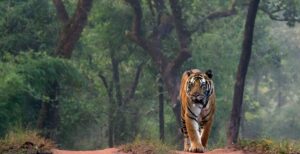
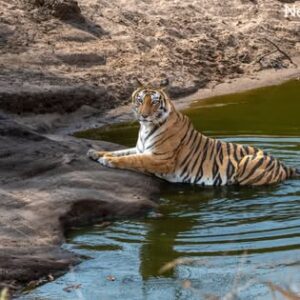
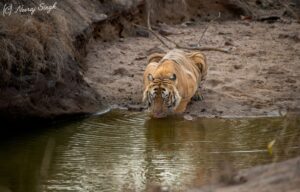
Spotting a tiger is one of the core purposes of booking a tiger safari in Panna National Park. Tiger population increased rapidly with successful efforts made by the government. Since 2009, Panna has become one of the best destinations for tiger safari in central India. Along with tigers, you may witness curious and exciting leopards around dense forests and rocky boulders.
Ahead of big cats, there are several mammals call Panna their home. Visitors may get a glimpse to sloth bear digging for termites, graceful Indian gazelles running through the meadows, and a pack of wolves chasing their prey in the grasslands. Panna also houses the fish-eating gharials which are critically endangered in India and found around the Ken River.
Panna is truly the paradise for bird-watchers as they can spot over 200 migratory and resident species, i.e., from bar-headed goose and endangered Indian vultures to honey buzzards and flycatchers. Every safari adds to the visual spectacle for nature lovers, be it valleys, river delta, forests or cliffs of Vindhya mountains.
Tigers were almost extinct due to poaching before 2009. It was the conservation program which started in 2009 that revived tiger population when tigresses were brought from Kanha and Bandhavgarh, along with a male from Pench. In 2010, the first cubs were born to restore the population.
Best Safari Zone Panna
Here are some of the core zones of Panna National Park –
- Madla – It is the most popular and preferred entry point to Panna National Park for wildlife encounters like sloth bear, tigers, chinkara, and other animals in the proximity of Ken River. Tourists may capture grasslands, hilltops, rocky gorges, and banks of Ken River. This gate is also close to several resorts.
- Hinouta – This core area is located further in Panna Reserve. Its terrain covers hilltops, plains, grasslands, and waterfalls. It is another best option to spot wildlife like tigers, sambar, leopards, and nilgai. This place is not so close from accommodation options.
- Akola – This core zone is slightly rockier, hillier, and drier and is accessible on Katni-Panna Road. While leopards, spotted deer, sambar, and tigers can still be spotted here, it has limited accommodation options.
Buffer zones
- Akola (Buffer) – The buffer gate of Akola is less dense and plainer area having local villages. However, there are still chances to spot hyenas, spotted deer, nilgai and tiger.
- Jhinna – This gate gives access to a mix of jungle vibes with human civilization. You can have a chance to spot tigers, leopards, wild cats, sloth bears, etc. depending upon your timing and luck.
- Khajurikudar – It is an entry point to buffer zone with limited chance to spot wildlife.
- Harsha – This buffer zone is especially known for night safari to spot nocturnal creatures.
Frequently Asked Questions
What to wear and carry during safari?
During winters, it is recommended to wear clothing in layers, like shirt with fleece or insulated jacket, a warm cap, and gloves for morning safaris. During summers, wear clothes made of breathable, lightweight fabric because days are hot. Also carry sunglasses and a wide hat to prevent sun exposure. Stay hydrated during safaris by carrying water bottles.
What is the best time to visit Panna National Park?
Safaris are available from October to June and closed during monsoons. February to early May are peak seasons when animal movement is high due to shrinking of water bodies. During winter months, you may expect cozy weather and softer light ideal for photography.
How to Reach Panna National Park?
You can easily reach Panna by air, road, and rail transport. Khajuraho is the nearest airport to Panna (around 25 km), providing connectivity to Varanasi and Delhi. Jabalpur (250 km) is another airport providing connectivity to other major cities in India. When reaching by train, Jhansi (180 km), Satna (75 km), and Khajuraho (25 km) are closest railway stations. If you are coming through Delhi-Mumbai route, Satna will be most convenient for you. If you are coming by road, Panna is well-connected to Katni, Satna, Jabalpur, and Bhopal through state-run buses and private taxis.
What are safari timings at Panna National Park?
Morning safari usually starts from early morning to around 11 AM and evening safari starts from 3 PM till sundown. However, timings may vary by season. It is recommended to check on official website before booking.