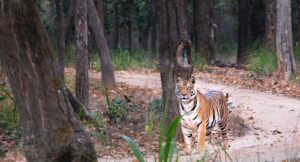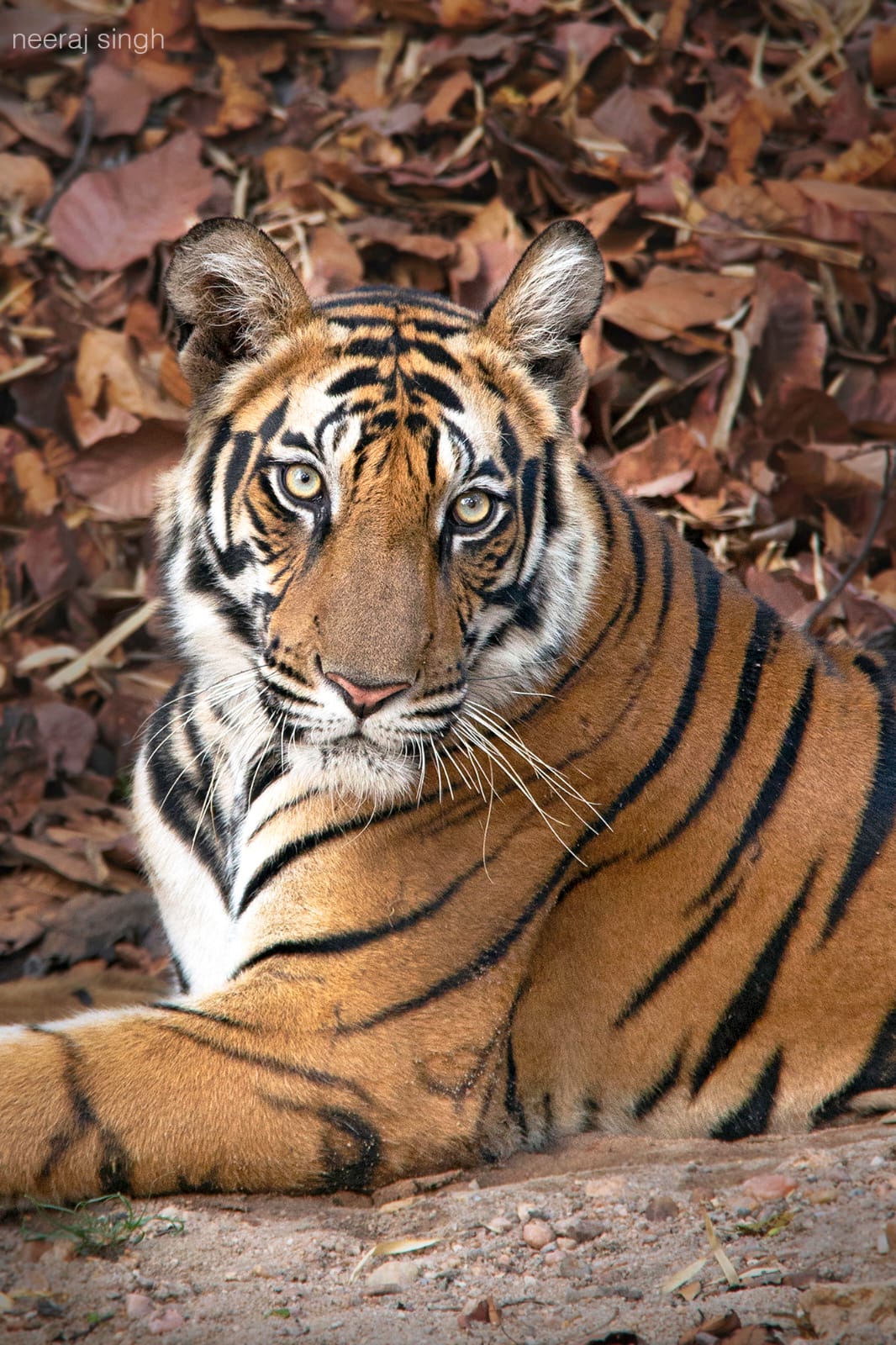
Most people arrive in Bandhavgarh with one goal in mind: to see a tiger.
You can tell from the conversations before a safari begins. People compare sightings, discuss camera settings, and quietly hope that their drive will be the one where a tiger walks out onto the track.
There’s nothing wrong with that. Tigers are the biggest draw of the forest.
But somewhere between the first alarm call and the end of the safari, many visitors realize something else. The experience isn’t just about seeing wildlife. It’s about how we interact with it.
That’s where eco tourism Bandhavgarh becomes important. Not as a slogan or a travel trend, but as a way of making sure the forest remains wild long after today’s visitors have gone home.
The Problem With Chasing the Perfect Sighting
Imagine a tiger resting under a tree on a warm afternoon.
Within minutes, several safari vehicles arrive. Cameras come out. People lean forward. Everyone wants the best view.
Most visitors don’t mean any harm. They’re excited. They’ve traveled a long way for this moment.
But this is also where responsible tourism begins.
A good safari isn’t about getting as close as possible or staying as long as possible. It’s about allowing the animal to behave naturally. The less pressure wildlife feels from visitors, the more authentic the experience becomes for everyone.
Ironically, some of the best sightings happen when people stop trying to control the moment.
Not Every Safari Rule Exists for the Reason You Think
Many first-time visitors see safari rules as restrictions. Stay seated. Keep your voice down. Don’t leave the vehicle. Follow the assigned route.
On the surface, they can feel like simple regulations. But most of them exist because of years of observation and experience.
A sudden movement can change an animal’s behavior. Loud conversations can disrupt natural activity. Too many vehicles gathering in one area can affect how wildlife uses that space.
The rules aren’t there to make the safari less enjoyable. They’re there to make sure the forest continues functioning the way it should.
That’s one of the foundations of responsible safari tourism.
The Forest Doesn’t Revolve Around Tigers
It’s easy to become so focused on seeing a tiger that everything else fades into the background.
But spend enough time in Bandhavgarh, and that mindset starts to change.
You begin noticing things you ignored earlier:
- Deer reacting to distant movement
- Langurs acting as sentinels from treetops
- Birds announcing the start of the morning
- Waterholes attract life throughout the day
The forest works because all of these pieces exist together.
That’s why eco tourism Bandhavgarh isn’t really about protecting a single species. It’s about respecting an entire ecosystem that supports countless forms of life.
Conservation Often Looks Smaller Than People Expect
When people hear the word conservation, they usually imagine anti-poaching teams, wildlife researchers, or large government projects.
Those things matter.
But conservation also happens through smaller decisions.
Choosing a regulated safari. Following guide instructions. Respecting route limits. Supporting local communities that depend on wildlife tourism.
None of these actions feel dramatic on their own. Yet together they help create a system where tourism supports protection rather than putting additional pressure on the forest.
Visitors rarely notice these connections while they’re on safari, but they’re there.
The Most Experienced Travelers Usually Behave Differently
There’s an interesting pattern you’ll notice if you spend enough time around wildlife enthusiasts.
The people who have been on the most safaris are often the calmest ones in the vehicle. They’re not constantly asking where the tiger is.
They spend time watching birds. They pay attention to alarm calls. They enjoy long stretches where seemingly nothing is happening.
Why?
Because they’ve learned that the forest is at its best when you’re observing it, not demanding something from it.
That attitude sits at the heart of responsible safari tourism. It turns a safari from a checklist into an experience.
Why Responsible Tourism Matters More Than Ever
Bandhavgarh continues to attract visitors from across India and around the world. That’s good news for conservation, local livelihoods, and wildlife awareness.
But popularity comes with responsibility.
The future of the reserve depends on maintaining a balance between tourism and the needs of the animals that live there. Every visitor becomes part of that equation, whether they realize it or not.
The goal isn’t to stop people from enjoying the forest. It’s to ensure that enjoyment never comes at the expense of the wildlife itself.
Conclusion
Most people leave Bandhavgarh with photographs. Some leave with stories about a tiger sighting they’ll talk about for years.
But the best safaris often leave you with something else entirely, a deeper appreciation for how complex and fragile a wild ecosystem really is.
That’s ultimately what eco tourism Bandhavgarh is about. Not just seeing the forest, but understanding why it deserves to be protected.
And that’s what makes responsible safari tourism more than a set of rules. It’s a way of making sure the next visitor gets to experience the same magic you did.
FAQs
- What is responsible wildlife tourism in Bandhavgarh?
It simply means enjoying the forest in a way that doesn’t disturb the animals living there. The focus is on observation and respect rather than chasing sightings at any cost.
- Why are safari rules taken so seriously in tiger reserves?
Most rules exist because wildlife reacts to human presence more than people realize. Even small disturbances can affect how animals move, feed, or use certain areas.
- How does eco tourism Bandhavgarh help conservation?
When tourism is managed properly, it generates awareness and supports conservation efforts without putting unnecessary pressure on wildlife. The goal is to benefit both visitors and the forest.
- What does responsible safari tourism look like in practice?
It usually comes down to simple things, listening to guides, staying patient, and allowing animals enough space. Good safari behavior often improves the experience for everyone.
- Is wildlife tourism only about seeing tigers?
Not really. Many visitors start with that goal, but end up appreciating the entire ecosystem, from birds and deer to the forests and waterholes that keep everything connected.