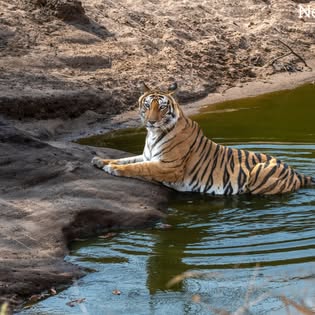
April in Bandhavgarh National Park isn’t subtle. The heat shows up early, the forest dries out, and by mid-morning, you can feel it in the air. On paper, it doesn’t sound like the ideal time to be out in the jungle.
And yet, this is exactly when photographers plan their trips.
A Bandhavgarh summer safari in April isn’t about comfort. It’s about clarity. The kind where visibility improves, movement becomes predictable, and moments feel a little easier to anticipate. If you’re chasing strong frames, this is when the forest starts working in your favor.
What the Heat Actually Changes
You notice it first in the landscape. Greens fade, water sources shrink, and the forest starts to open up.
That shift does a few important things:
- Visibility improves across most tracks
- Animals move with more purpose
- You can read the terrain a bit more clearly
Instead of scanning dense foliage, you’re now watching open patches, dry paths, and edges where animals tend to pass through. It’s not that wildlife suddenly becomes easier, but it becomes more predictable.
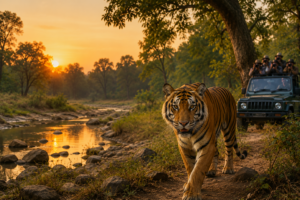
A Bandhavgarh summer safari feels less random. You’re not just driving around hoping for a sighting. You’re following patterns that make sense.
Waterholes Become the Center of Everything
By April, water starts to dictate movement.
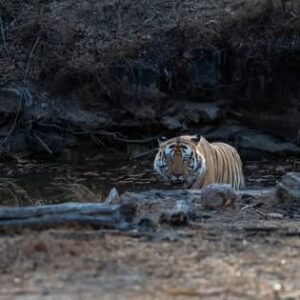
Animals that might otherwise stay deep inside the forest begin returning to the same water sources. And when that happens, the waiting game becomes more focused.
You’ll often find:
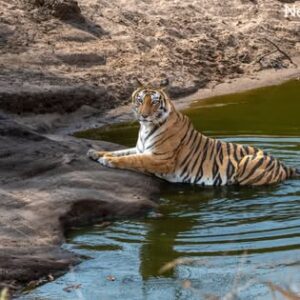
- Tigers visiting waterholes during late morning or afternoon
- Multiple species use the same area at different times
- Longer sightings as animals stay near water
This is where tiger sightings Bandhavgarh become more consistent. Instead of quick, passing glimpses, you sometimes get extended moments. A tiger resting near water, drinking slowly, or just sitting in the shade.
For photographers, this changes everything. You’re not rushing to capture a moving subject. You get time to adjust, observe, and actually build your frame.
Light, Dust, and That Summer Look
Summer light is stronger, no doubt. But it also brings character.
Early mornings still offer softer light, but as the day progresses, you start noticing:
- Warmer tones in the frame
- Dust adds texture and depth
- Higher contrast that makes subjects stand out
It’s not the easiest light to work with, but it can be very rewarding when used well.
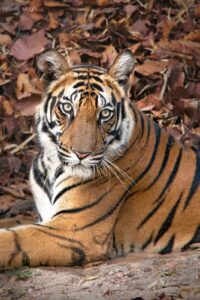
A Bandhavgarh summer safari gives you a certain look that’s hard to replicate in other seasons. The images feel sharper, more defined, and sometimes a bit more dramatic.
April to May: The Peak for Tiger Sightings
If you’re planning around results, this is the window most people aim for.
April and May are often considered the best months for tiger sightings Bandhavgarh. By this time:
- Water sources are limited
- Animal movement becomes more concentrated
- Visibility is at its peak
You’re not guaranteed a sighting, of course. But your chances are stronger compared to cooler months when the forest is thicker, and animals are more spread out.
This is why photographers don’t mind the heat. The conditions align in a way that increases the odds of meaningful encounters.
It’s Not Comfortable, But It Works
Let’s be honest, summer safaris can be exhausting. The kind where you feel the heat building up even before the drive properly begins.
- Temperatures can go well above 40°C
- Afternoon drives feel long, especially on open tracks
- Dust and heat can wear you down faster than expected
There are moments when it feels slow, almost draining. You’re sitting there, waiting, sweating a bit, wondering if the next turn will bring anything at all.
But most photographers still choose this time because the trade-off is clear once you’ve experienced it even once.
A Bandhavgarh summer safari gives you:
- Better chances of tiger sightings
- Cleaner, less cluttered frames with fewer distractions
- More predictable wildlife movement around key areas
And more importantly, it gives you time. Time to wait near a waterhole, time to observe behavior, and time to actually compose your shot instead of reacting in a rush.
That’s what makes the difference. It’s not comfortable, but it feels purposeful. And for many photographers, that makes the discomfort easier to accept.
Conclusion
April in Bandhavgarh isn’t for everyone. It asks a bit more from you, more patience, more endurance, more awareness.
But it also gives back in ways that other seasons don’t.
If your goal is strong, well-timed wildlife images and better chances at tiger sightings Bandhavgarh, this is when the forest feels most open and honest.
And that’s exactly why photographers keep coming back, year after year, even in the heat.
FAQs
- Is April a good time for a Bandhavgarh summer safari?
Yes, April is one of the best months for sightings and visibility. The heat helps concentrate animal movement, making safaris more rewarding.
- Why are tiger sightings Bandhavgarh better in summer?
Because water sources become limited, animals return to the same spots more often. This makes tiger sightings Bandhavgarh more predictable compared to winter.
- Is the heat manageable during summer safaris?
It can be intense, especially in the afternoon, but early morning drives are more comfortable. Carrying water and light clothing helps a lot.
- What time of day is best for summer safaris?
Morning safaris are usually more active and comfortable. Late afternoons can also be good, especially near waterholes.
- Is summer better than winter for photography?
For action and visibility, summer works better. Winter safari offers softer light, but summer gives more consistent wildlife movement.