There’s a reason most experienced travelers and photographers quietly prefer the first drive of the day. A morning safaris in Bandhavgarh isn’t just about timing, it’s about stepping into the forest when it’s still settling into the day.
Everything feels a little more real at that hour. The air is cooler, the light is softer, and there’s a sense that you’re seeing the jungle before it changes. You’re not entering a busy landscape, you’re entering something that’s just beginning to unfold.
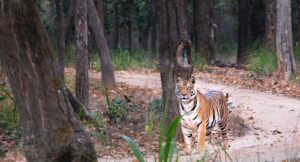
It’s also the time when a tiger tracking safari makes the most sense. You’re not chasing movement from hours ago, you’re following fresh signs, recent activity, and a forest that’s still actively communicating.
And that’s what makes mornings different. It’s not just about better chances or better light. It’s about being there when the jungle feels most honest.
It Starts Before the Sun Shows Up
You’re not entering the jungle at sunrise. You’re entering it just before.
There’s a blue-grey light, barely enough to see clearly. The air feels colder, sharper. Even the road looks different at that hour. And this is where a tiger tracking safari quietly begins.
Guides aren’t waiting for sightings. They’re already reading signs:
- Fresh tyre marks from earlier vehicles
- Pugmarks crossing the track overnight
- Small disturbances in the dust that most people would miss
Nothing feels rushed yet. It’s slow, observant, and almost silent. That early window sets the tone for everything that follows.
The Jungle Wakes Up in Layers
As the light builds, so does the sound.
First, it’s subtle. A bird call here, a movement there. Then gradually, the forest becomes more vocal.
You’ll notice:
- Spotted deer giving alarm calls
- Langurs are watching in a specific direction
- Birds are moving more actively between trees
These aren’t random moments. They’re signals.
A tiger tracking safari is built around reading these layers. You’re not just waiting for a tiger to appear. You’re following a chain of reactions that lead you there.
The Light That Makes Everything Look Better
Morning light in Bandhavgarh does something that’s hard to explain until you see it.
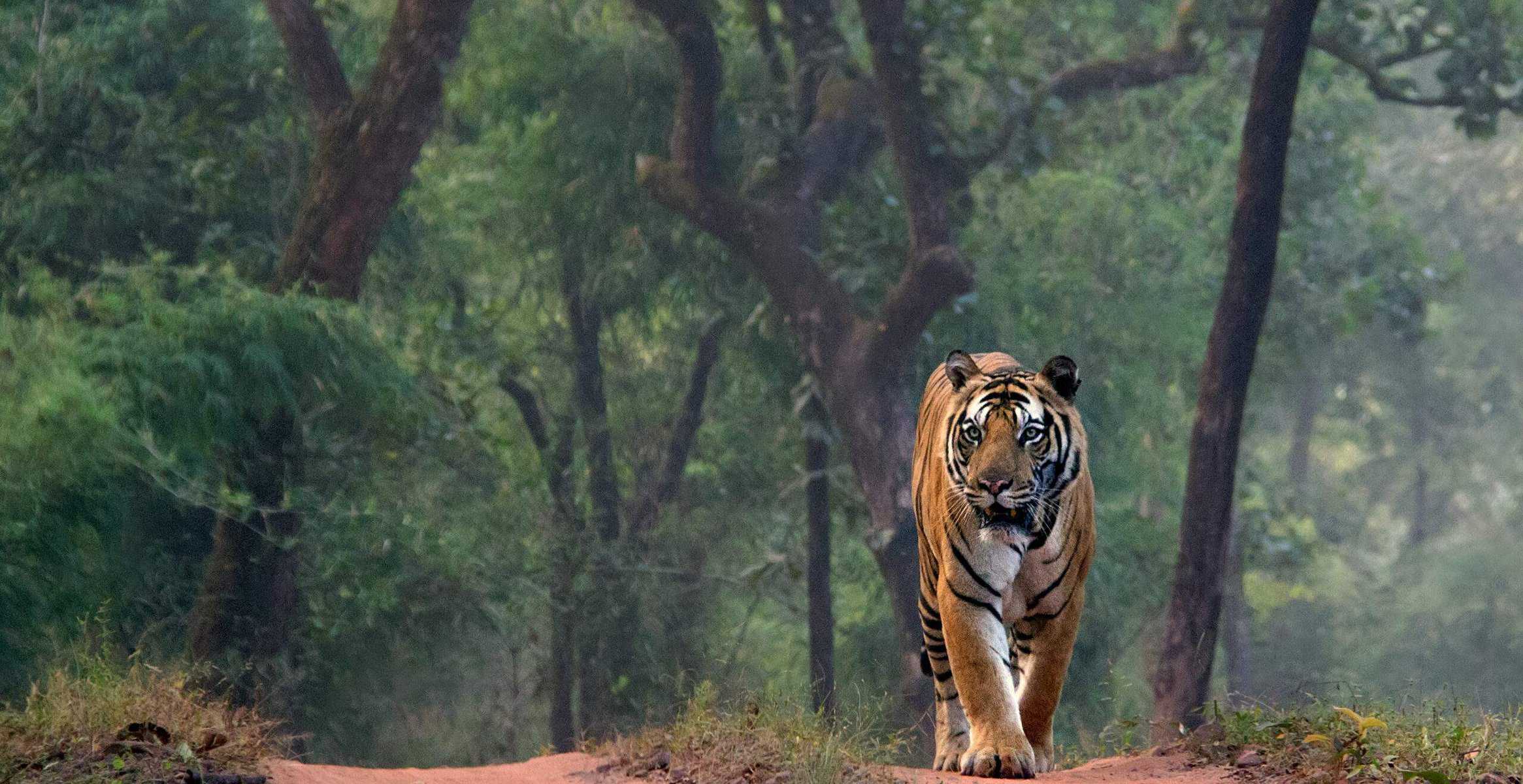
It’s soft, but not flat. Bright, but not harsh. It filters through the trees in a way that adds depth instead of washing things out.
For photography, this changes everything:
- Faces are evenly lit
- Shadows fall naturally
- Colors feel warmer without being overexposed
A morning safari Bandhavgarh gives you a window where even simple subjects look better. A deer, a bird, even a stretch of forest can suddenly feel more composed.
It’s not just about capturing wildlife. It’s about capturing the way the forest looks at that hour.
Wildlife Feels More Active, But Also More Natural
Mornings aren’t just about better light. They’re about timing. That’s what makes a morning safari Bandhavgarh feel different from later drives. The forest hasn’t slowed down yet.
Animals are still moving, feeding, crossing tracks, or returning from nighttime activity. Nothing feels forced.
You’re more likely to see:
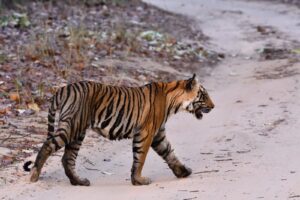
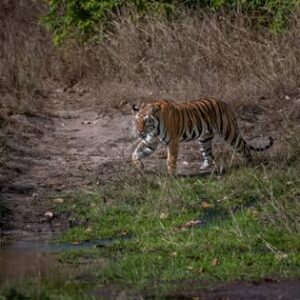
- Tigers walk rather than resting
- Deer actively grazing or reacting
- Birds in motion rather than settled
There’s a sense that you’re catching things mid-flow, not interrupting them.
The Quiet That Stays With You
Not every safari ends with a sighting. But mornings still feel complete.
There are long stretches where nothing happens. No movement, no calls, just the sound of the jeep and the forest around you. And strangely, those moments don’t feel empty.
They give you space to take it in:
- The scale of the forest
- The rhythm of the drive
- The feeling of being somewhere untouched
A tiger tracking safari isn’t only about finding something. It’s also about understanding how the forest behaves when nothing obvious is happening.
It Ends Before You’re Ready
Morning safaris Bandhavgarh don’t fade out slowly. They all end at once.
One moment you’re inside the forest, the next you’re heading back toward the gate. The light is stronger now, the sounds are different, and the feeling has shifted.
And that’s when it hits you. It went by quickly.
These safaris don’t feel long while you’re in them. But once it’s over, it stays with you longer than expected.
Conclusion
A morning in Bandhavgarh isn’t defined by a single sighting. It’s built through small moments that slowly come together.
It’s the sound of alarm calls before you see anything. It’s the way light filters through the trees just right. It’s the pause before something moves, and even the long stretches where nothing seems to happen but still feels meaningful.
A morning safari Bandhavgarh gives you a version of the jungle that’s calm, active, and unpredictable all at once. And when you combine that with the quiet focus of a tiger tracking safari, the experience becomes more than just a drive.
It becomes something you start to understand, not just observe. And that’s what stays with you long after you leave the forest.
FAQs
- Why is a morning safari Bandhavgarh considered better than other timings?
Mornings offer cooler temperatures, better light, and more active wildlife. It’s also the best time to track fresh movement in the forest.
- What makes a tiger tracking safari more effective in the morning?
Early hours reveal fresh pugmarks and recent activity. This makes it easier for guides to follow movement patterns.
- What time does a morning safari usually start?
It usually begins around sunrise, with reporting time slightly earlier. Exact timing depends on the season.
- Is morning safari good for photography?
Yes, the soft light helps with better exposure and natural colors. It’s ideal for both wildlife and landscape shots.
- Can beginners enjoy a morning safari Bandhavgarh?
Absolutely, it’s one of the easiest ways to experience the jungle. The pace is calm, and the chances of activity are higher.