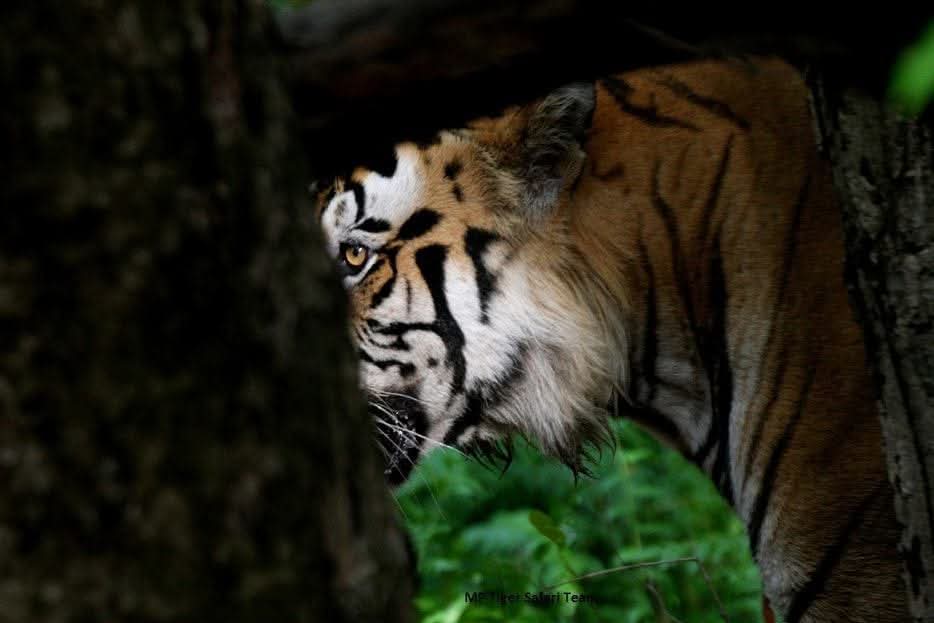
With over 75% of tiger population in the world, India is ushering in the thrilling age of sustainable tourism. India holds promising future of tiger safaris by attracting plenty of foreign tourists, using successful conservation drives by the government of India, and endless charm of Royal Bengal Tigers. From dreamy reserves for tiger safari India like Ranthambore, Kanha, and Bandhavgarh to some of the most underrated destinations, Central India is being a thriving hub for nature and wildlife lovers. This study will give you the glimpse to wildlife tourism trends that wildlife lovers may look forward to.
The Emergence of Inward Tourism
Tiger safari has always been the foundation of wildlife tourism in India, attracting millions of domestic and foreign tourists every year. There has been a stable rise of wildlife tourism in India with drastic growth in inbound tourists looking for unique safari experiences. Ranthambore, Kanha, and Corbett are the new hotspots for the future of wildlife tourism where one can get unmatched experience of witnessing tigers in their natural habitat. This surge of tourism shows how serious Indian government is to preserve its biodiversity to become the leader in responsible tiger safari in the world.
These safaris offer an unmatched blend of thrill, cultural presence, and conservation of natural biodiversity. With well-controlled safari zones, better infrastructure, and luxury resorts, national parks like Bandhavgarh, Kanha, Ranthambore, and Corbett are being the epitome of sustainable tourism India. This momentum is built with rising interest of global explorers who keep tiger safaris at the top of their bucket list.
Making Safari Experience more innovative with Technology
In 2026, technology is being integrated to redefine the whole safari experience in India. Camera traps, AI-based tracking, and drone surveillance are some of the latest technologies to improve tiger sightings and monitoring to make more rewarding and safer wildlife encounters for visitors. Getting safari permits has never been so convenient with online platforms. Travelers can easily plan their safari to their preferred national parks in India. In addition, safari live streams and VR previews presence several wildlife wonders of India to the world. Tourists are also attracted towards sustainable innovations like eco-tourism tiger reserves, solar powered resorts, and EV safaris. These innovative practices convey the message of responsible tourism to make tiger safaris more tourist- and eco-friendly.
Conservation Efforts of India – A Success Story
Along with one of seven wonders of the world, India is also known for its tremendous conservation efforts like the “National Tiger Conservation Authority (NTCA)” and Project Tiger. India now has around 6.1% of growth of tiger population, with around 3682 tigers, since the previous census, as reported by the “All India Tiger Estimation 2022”. These projects have successfully revived wildlife and tiger population in tiger reserves like Pench, Bandhavgarh, Panna, and Tadoba. Panna and other underrated tiger reserves have staged huge comebacks when they were almost depleted.
Expanding Reach to Hidden Gems of Jungles
Speaking of underrated tiger reserves, Panna, Satpura, and Tadoba are holding their presence as hidden gems of tiger safari in India, despite having Pench, Corbett, Ranthambore, Kanha, and Bandhavgarh as major national parks. For instance, there were only 15 tigers in Tadoba in 2010, which rose to 93 in 2023. Similarly, there was no tiger in 2009 in Panna. It successfully revived tiger population to 50 as a victory of conservation efforts. These national parks offer even closer and more hassle-free encounters with nature. With improved awareness and infrastructure, these tiger reserves are very important to diversify tiger safari in the country, while reducing pressure on well-known parks.
Cultural and Economic Impacts
The booming safari and wildlife adventures in India are also important for tourism growth in rural areas nearby. Those activities generate job and business opportunities for locals as resort and hotel staff, drivers, guides, cultural tour operators, and handicraft sellers. This economic growth promotes a positive attitude to ensure conservation where habitats of tigers and other wildlife animals are cherished. Tiger safaris also have a cultural impact on visitors as they also get opportunities to explore rich heritage of India. Rudyard Kipling’s “The Jungle Book” was also inspired from Pench and Kanha for its unique storytelling, while ancient Bandhavgarh Fort adds glimpse to sacred past of India. This fusion of tradition and nature provides a wholesome safari experience to tourists in India.
Frequently Asked Questions
Which national park is known for highest tiger density in India?
Parks like Bandhavgarh, Kanha and Jim Corbett are known for highest tiger population where you can get close encounters to tigers and other wildlife creatures.
Why national parks of India are getting popular?
The enduring efforts of Indian governments towards conservation of wildlife like Project Tiger, sustainable tourism, and technological advances are some of the major growth factors.
What makes India’s tiger reserves different from other national parks in the world?
Wildlife enthusiasts prefer tiger reserves in India also to explore unique backdrops and breathtaking scenery of Indian jungles and rare wildlife species for unforgettable journey.