Tigers are, by default, lone, majestic creatures who form complex communities based on different interpersonal relationships. Their survivability relies on their closed interaction. As they can build more effective approaches to secure their populations and habitats, it is important to understand their interaction and how they build community for their conservation.
There are different factors affecting tiger communication, including social structure, habitat, and availability of prey. They can adapt to any challenging environment nature throws at them, be it open grassland or dense jungles. The eating and hunting techniques and tiger social behavior are strongly related. Additionally, these apex predators have different social structures, i.e. from living alone to short-term relationships between couples to families having mother tiger and cubs. As they protect their territory, build alliances, and seek young ones, tigers breed for their survival and form social systems.
Are Tigers Solitary?
Tigers are solitary by nature but they build social bonds for their well-being. They build bonds for their daily activities like protection, hunting, and raising their offspring. They live either in a group of cubs and mother or solitary or as mating couples for the short term. When other social predators move around in peck, tigers don’t visually be in touch with one another. They use different modes to communicate with one another to maintain their hierarchy.
Tiger dominance behavior makes them most capable and strongest creatures on planet. They form dominant hierarchies of mate partners. Their social connections help them to raise young and reproduce. Mother tigers form strong relationships with their cubs to teach survival skills and ensure their survival until they mature. Male tigers indirectly protect their territory from other male tigers to rear offspring.
Social Structures of Tigers
Tigers form transient, communal, and solitary social structures.
Solitary structure – These are adult male tigers who usually live in solitary and protect huge territories covering the territories of several females. Meanwhile, solitary female tigers share some of their territories with other related females and usually less territorial.
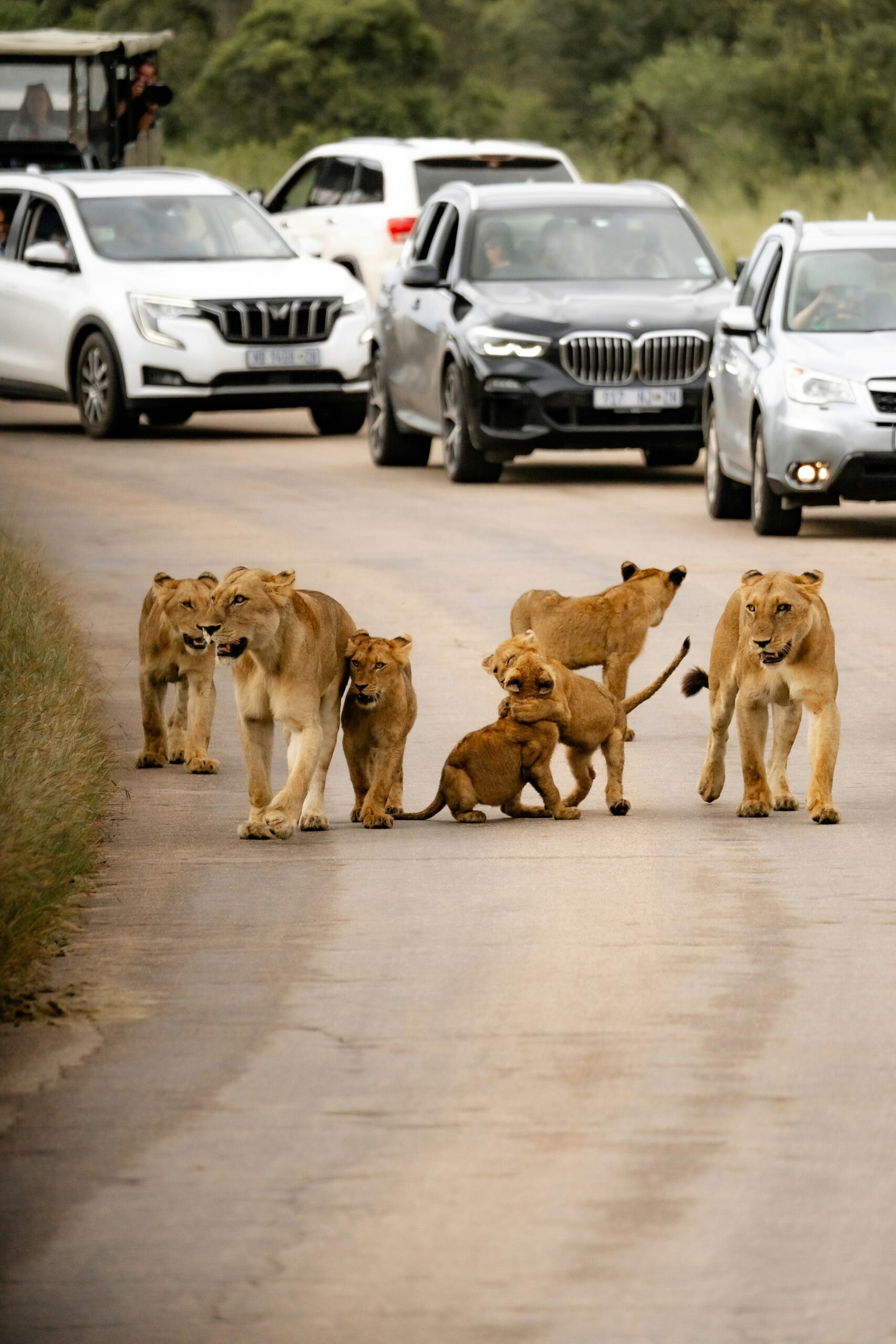
Communal structure – It is highly uncommon among tigers and found only in few tigers. Female tigers build small groups, which usually involves a mother and cubs. These units protect the cubs from other carnivores and male tigers to increase survivability.
Transient structure – These tigers are dispersing or floaters. They are usually young males who seek new territory by leaving their own range behind. They may go through various areas before they settle down.
Tiger Territory Marking
Like other social creatures, tigers also mark their territories with different signs like physical postures, vocalizations, scent, and facial emotions. Tiger’ roars can be heard from kilometers. They roar to attract females and mark territory. They also use other vocal cues to interact with one another like hisses, chuffs, and growls. They also use body postures to communicate. A submissive tiger flattens its ears off his head and bends down, while a dominant one arches its back and stands tall. They also convey their feelings using facial gestures like wrinkling nostrils or baring the teeth.
Scent is another form of marking to communicate. They use their feces, urine, and scent glands to communicate with others and mark their territory. They leave their scent by rubbing their bodies or faces on surfaces or objects. They use different signals to communicate to build social structures, form strong bonds, and avoid conflicts.
Breeding and Parenting
Tigers mate and become parents to indulge in social behavior. They mate over the year. But winter is the peak season for them to mate. But it relies on climate. Male tigers interact with females during winters, usually by spraying urine and vocalizing. Males also get into conflicts for mating during winters. Females choose tigers based on their territory quality, size, and strength of their mate.
Tigress goes to a silent spot after mating where cubs are born. They usually have 2 to 5 cubs at once. For the initial years, mothers raise them alone. The cubs depend on their mother for nutrition, warmth, and protection as they are born unsafe and blind. Cubs depend on their mother for around 2 to 3 years. After that, they are free to move out.
Frequently Asked Questions (FAQs)
When do tigers mate?
Tigers usually mate all the year round. However, winter is the peak mating season when they find partner.
When do tigers get into conflict?
Tigers usually get into conflict when they have to fight for mating partner or territory. In addition, they get into conflict when there is only one prey.
Are tigers solitary creatures?
By nature, tigers are solitary. But they form bond with mates for a short term. They also build social bonds when it comes to thrive.