Ask ten wildlife photographers about their favorite forest in India, and there’s a good chance Bandhavgarh will come up in the conversation.
Not because it’s the biggest reserve. Not because it’s the easiest place to reach. And certainly not because every safari guarantees a tiger.
Photographers keep returning for a different reason. Bandhavgarh has a way of creating opportunities. The kind where the light, the landscape, and the wildlife come together at just the right moment.
That’s why many consider it one of the finest wildlife photography destination India has to offer.
It Starts With Opportunity, Not Luck
Every wildlife photographer knows that a great image usually depends on being in the right place at the right time.
Bandhavgarh increases those opportunities.
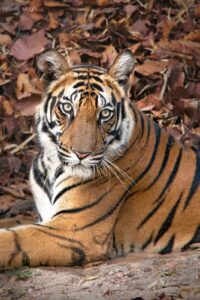
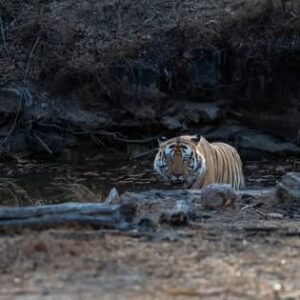
The reserve has built a reputation for consistent tiger activity, which means photographers often spend less time searching and more time preparing for the shot they want. That doesn’t make photography easy, but it does create more chances to work on composition, lighting, and behavior.
In many forests, a tiger sighting can be over in seconds. In Bandhavgarh, there are times when photographers are able to observe an animal for longer periods, allowing them to experiment rather than simply react.
That difference matters.
The Forest Gives You More Than One Background
Some wildlife destinations are visually beautiful but repetitive. After a while, many photographs start to look similar.
Bandhavgarh rarely has that problem.
One drive may take you through:
- Dense sal forests
- Open grasslands
- Rocky outcrops
- Bamboo patches
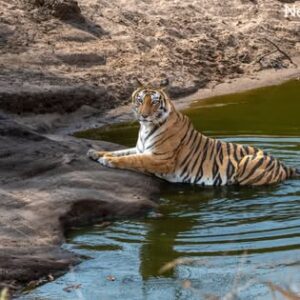
- Seasonal water bodies
For photographers, this variety changes everything.
The same tiger can look completely different depending on where it appears. A photograph taken in a meadow creates a very different mood than one captured in a shaded forest track.
That variety helps build a portfolio that feels diverse instead of repetitive.
Meadows Create Space in a Photograph
Many photographers develop a special appreciation for Bandhavgarh’s open meadows.
Unlike dense vegetation, meadows create room around the subject. They allow wildlife to stand out without competing with cluttered backgrounds.
This often leads to:
- Cleaner compositions
- Better subject isolation
- More balanced framing
- A stronger sense of scale
It’s one reason why Bandhavgarh continues to attract photographers who enjoy environmental portraits rather than tightly cropped wildlife images.
Sometimes the landscape becomes just as important as the animal itself.
Biodiversity Keeps Every Drive Interesting
Tigers may be the headline attraction, but they aren’t the only reason photographers enjoy the reserve.
A typical safari can include:
- Leopards
- Sloth bears
- Jackals
- Deer species
- Raptors and woodland birds
- Smaller mammals often overlooked by visitors
This variety means a safari rarely feels wasted.
Even on drives without a major predator sighting, photographers often return with unexpected images. A dramatic bird portrait, a behavioral interaction, or a moment of beautiful light can quickly become the highlight of the day.
That’s one of the reasons Bandhavgarh stands out as a wildlife photography destination India photographers repeatedly revisit.
Good Light Seems to Last Longer Here
Ask photographers what they value most, and many will say light before they mention wildlife.
Bandhavgarh offers several conditions that photographers appreciate:
- Misty winter mornings
- Warm summer tones
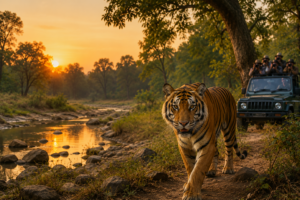
- Golden light filtering through forests
- Open areas that catch sunrise and sunset beautifully
The reserve rewards patience.
A scene that looks ordinary one minute can completely transform when the light shifts. And because photography often depends on those small changes, many visitors find themselves paying as much attention to the environment as they do to the animals.
It’s a Place That Rewards Repeat Visits
Some destinations feel familiar after one trip. Bandhavgarh tends to do the opposite.
Photographers return and discover:
- Different tiger territories
- Seasonal changes in the landscape
- New animal behavior
- Fresh photographic opportunities
The forest never looks exactly the same twice.
That’s one reason experienced wildlife photographers rarely talk about “finishing” Bandhavgarh. There’s always another season, another light condition, or another image they feel they haven’t captured yet.
Conclusion: Best Wildlife Photography Destination in India?
The appeal of Bandhavgarh goes beyond tiger sightings.
What keeps photographers coming back is the combination of wildlife, habitat diversity, changing light, and the possibility that every safari could unfold differently from the last one.
For anyone looking for a wildlife photography destination India that continues to be proud of, Bandhavgarh remains near the top of the list.
Not because it guarantees great photographs, but because it consistently creates the conditions where great photographs become possible.
FAQs
- Is Bandhavgarh suitable for beginner wildlife photographers?
Yes, many beginners choose Bandhavgarh because wildlife activity is relatively consistent. It offers plenty of opportunities to practice photography in real-world conditions.
- What makes Bandhavgarh a popular wildlife photography destination India travelers visit?
The combination of tiger sightings, varied landscapes, and diverse wildlife makes it especially appealing to photographers. Every safari offers something different to photograph.
- Which season is best for wildlife photography in Bandhavgarh?
It depends on the type of images you want. Winter offers soft light and atmosphere, while summer often provides better visibility and wildlife movement.
- Do I need professional camera equipment for Bandhavgarh?
Not necessarily. Good photographs can be taken with a range of equipment as long as you understand light, timing, and composition.
- Is Bandhavgarh only good for tiger photography?
Not at all. Many photographers spend time capturing birds, deer, sloth bears, landscapes, and smaller details of the forest ecosystem.