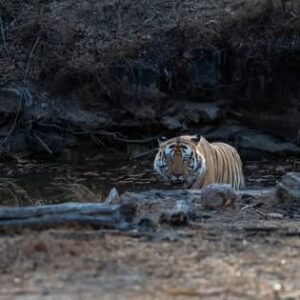
There’s a different kind of silence in the jungle during winter. It’s softer, slower, and almost cinematic without trying too hard. The forest doesn’t rush you, and that changes how you experience everything around you.
A Bandhavgarh winter safari doesn’t begin with action. It begins with stillness. The kind where you can hear distant calls more clearly, see your breath in the air, and feel like the forest is waking up gently rather than all at once. That quiet start often sets the tone for the entire day.
If summer is about intensity, winter is about mood. And for anyone interested in wildlife photography winter India, that mood can be just as rewarding as any tiger sighting. It’s less about speed and more about how you see and frame each moment.
Foggy Mornings That Change Everything
The first thing you notice on a winter safari is the fog. It hangs low across the forest, sometimes thick enough to soften everything around you and change how the landscape feels.
Visibility can be limited in the early hours, but that’s not always a bad thing. In fact, it creates:
- Soft, diffused light that’s easy on the camera
- Layered frames with depth and atmosphere
- Silhouettes that feel more artistic than literal
Instead of chasing clear views, you start working with mood. A deer stepping through mist, sunlight breaking through trees, or even a distant shape becoming visible slowly can turn into a memorable frame.
A Bandhavgarh winter safari teaches you to slow down and observe differently. It becomes less about chasing sightings and more about reading light, patience, and atmosphere in a more thoughtful way.
Bird Photography Feels More Rewarding in Winter
Winter is when you start noticing birds more without even trying. They’re just… there. Sitting longer, moving a bit slower in the cold, and not disappearing the second your jeep stops.
If you’re into wildlife photography winter India, this is where things quietly get interesting.
You’ll see small things that are easy to miss in other seasons. A kingfisher staying on the same perch for a while, a drongo catching light just right, or even a common bird suddenly looking far more photogenic because of the soft background.
It’s not rushed either. You actually get time to frame, adjust, and wait for a better moment instead of just reacting.
And during a Bandhavgarh winter safari, this becomes a nice break from constantly looking for bigger animals. You slow down a bit, and somehow those smaller shots end up being the ones you remember later.
Comfortable Safaris That Let You Focus on the Experience
One of the most underrated parts of a Bandhavgarh winter safari is comfort. The weather plays a huge role in how much you actually enjoy your time inside the forest.
- Mornings are cold, but manageable with layers
- Afternoons are pleasant, not exhausting
- Longer drives feel easier without heat fatigue
You’re not distracted by extreme weather. That means you stay more alert, more patient, and more present during the safari. You can actually enjoy the drive instead of just waiting for it to end.
This comfort also lets you experiment more with photography instead of focusing on just getting through the drive.
Winter Light and Why It Works So Well
Winter light behaves differently in the forest. It’s softer, lower, and more directional compared to summer, which changes how your images turn out.
This creates:
- Gentle highlights instead of harsh contrasts
- Balanced exposures even in tricky conditions
- More control over shadows and depth
For wildlife photography, this kind of light is a huge advantage. It gives you more flexibility with settings and allows for more consistent results across different scenes.
You’ll notice that even simple frames look more polished without much effort. This is one of the biggest reasons many photographers prefer a Bandhavgarh winter safari over other seasons.
Tiger Sightings: Less Frequent, More Meaningful
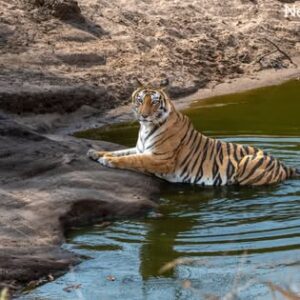
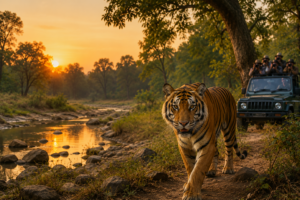
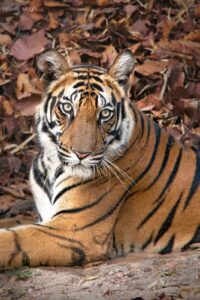
Winter isn’t always about constant tiger sightings. The forest is denser, and animals are more spread out, which makes tracking a bit more challenging.
But when you do see a tiger:
- The setting often feels more natural
- The moment unfolds slower
- The experience feels less rushed
A sighting in winter often feels earned. It’s not just about the image, but the build-up, the tracking, the silence before it happens.
This is where a Bandhavgarh winter safari feels different from peak summer drives. The experience becomes more about the journey than just the result.
Slower Pace, Better Observation
Winter safaris naturally slow things down. You’re not rushing between sightings or dealing with heat fatigue that drains your energy.
Instead, you:
- Spend more time observing behavior
- Notice smaller details in the forest
- Engage more with the environment
This shift in pace is what makes wildlife photography winter India feel more immersive. You’re not just reacting, you’re anticipating and understanding the scene better.
Over time, this improves not just your photography but also how you connect with the forest during a Bandhavgarh winter safari.
Conclusion
Winter in Bandhavgarh isn’t about high-energy sightings. It’s about atmosphere, light, and the quiet moments that build the experience over time.
A Bandhavgarh winter safari gives you space to slow down and see the forest differently. And if you’re into wildlife photography winter India, it opens up a style of shooting that’s less about action and more about mood and composition.
Not every frame will be dramatic. But many will feel more thoughtful, balanced, and intentional. And sometimes, that’s exactly what makes them memorable long after the trip ends.
FAQs
1. Is winter a good time to visit Bandhavgarh?
Yeah, it’s actually one of the most comfortable times to be there. The weather’s easier, and the forest feels calmer overall.
2. Are tiger sightings difficult in winter?
They can take a bit more patience because the forest is thicker. But when it happens, it usually feels more natural and less crowded.
3. What should I pack for a winter safari?
Mornings can get quite cold, so layers help a lot. By afternoon, it usually feels much lighter and more pleasant.
4. Is winter good for wildlife photography in India?
For wildlife photography winter India, the light is softer and easier to work with. You don’t have to fight harsh shadows as much.
5. Is Bandhavgarh suitable for beginners in winter?
Yes, especially if it’s your first safari. A Bandhavgarh winter safari feels less intense and easier to settle into.